Written by Charity Miley
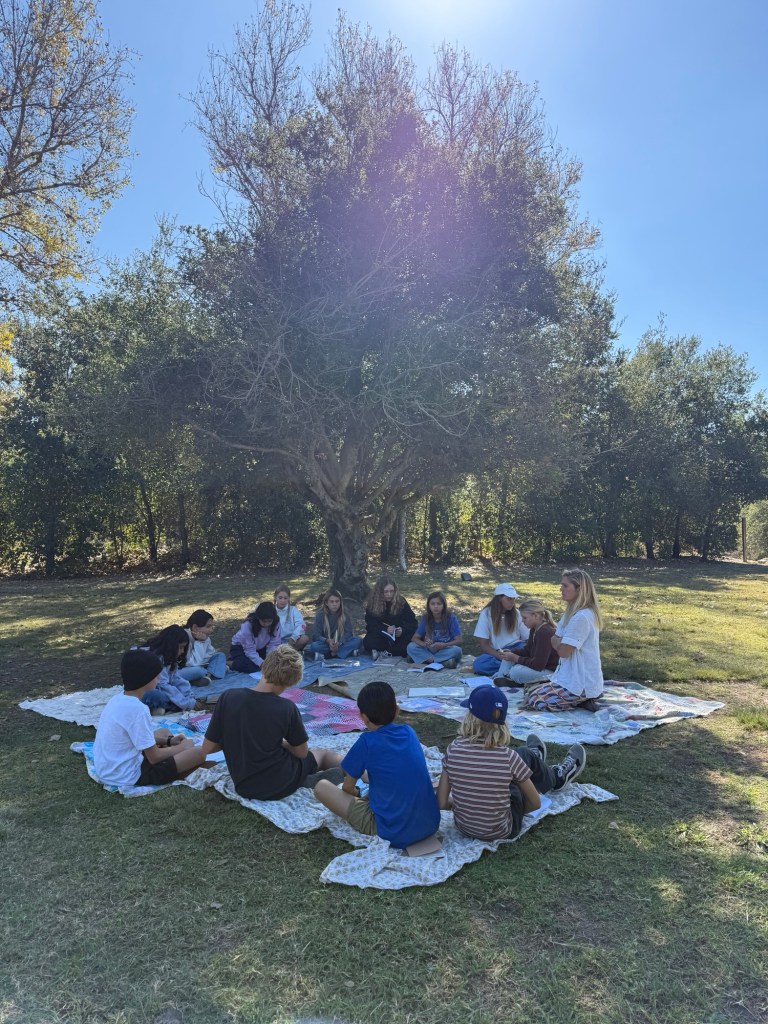
Dictation is the next step after copywork. Dictation focuses on spelling and grammar. First select a passage, the passage can be from a book, poem, recipe, a famous quote and must be good literature. At Live Oak, we select passages from the lesson readings and from the poetry book.
Second, have the student read the passage for understanding then study the spelling of each word and notice all punctuation. This may look different for different learners. Visual learners may be encouraged to take a mental picture, auditory learners may spell the words out loud, a kinetic learner may trace the spelling on the table with their finger or the ground with their toe. Some may transcribe, or copy the sentence down. Whatever it looks like, allow the student to study the passage for some time until he feels he can spell all the words correctly.
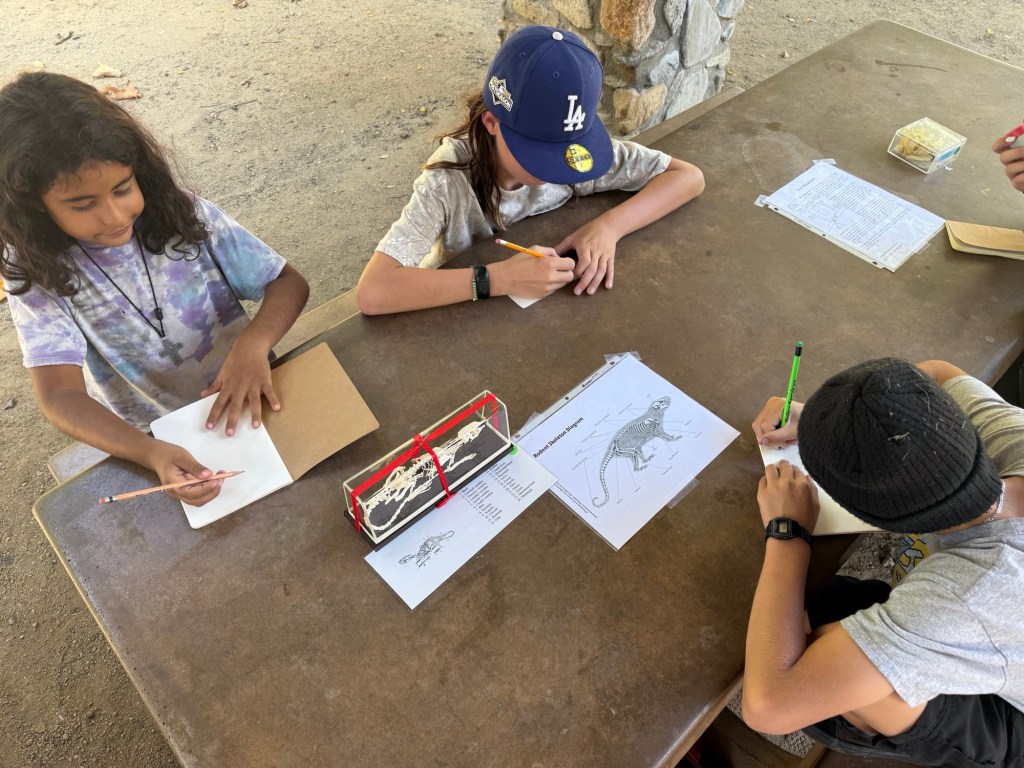
Third, you will want to spot check by picking a few words from the passage and asking him to spell them out loud, if he can do this without errors he is ready to move on with the lesson. If he misspells any words he needs to go back and study some more.
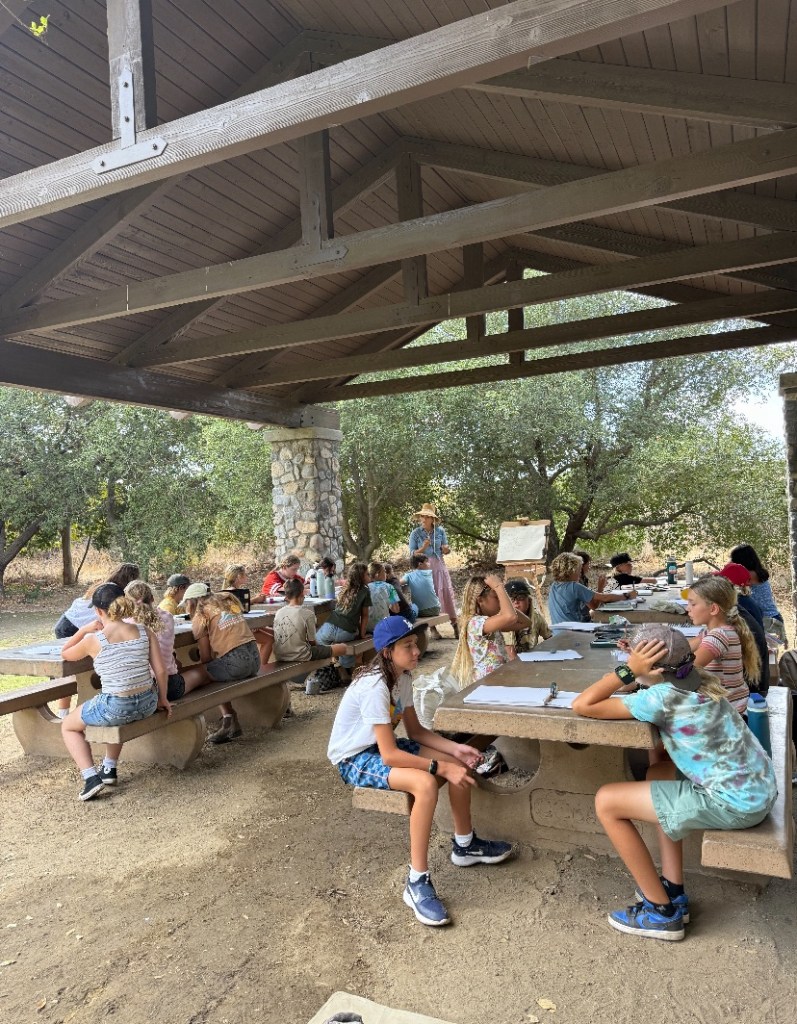
Fourth, once the student knows how to spell all the words in the passage, read the passage out loud and the student will write down what he hears.
Fifth, you, not the child, check to make sure all the words are spelled correctly. You do not want the child seeing the incorrect spelling of a word. If he misspelled a word, erase the word or cover it with a sticky note, have him look at the correct word, spell it out loud correctly, then write the correct spelling.
When starting dictiation you want the passages to be short, one sentence, and easy enough for the child to get all the words correct. We want the child to be successful, so start where they are and gradually progress from there in length of passage, number of sentences, and difficulty in spelling.


Leave a Reply