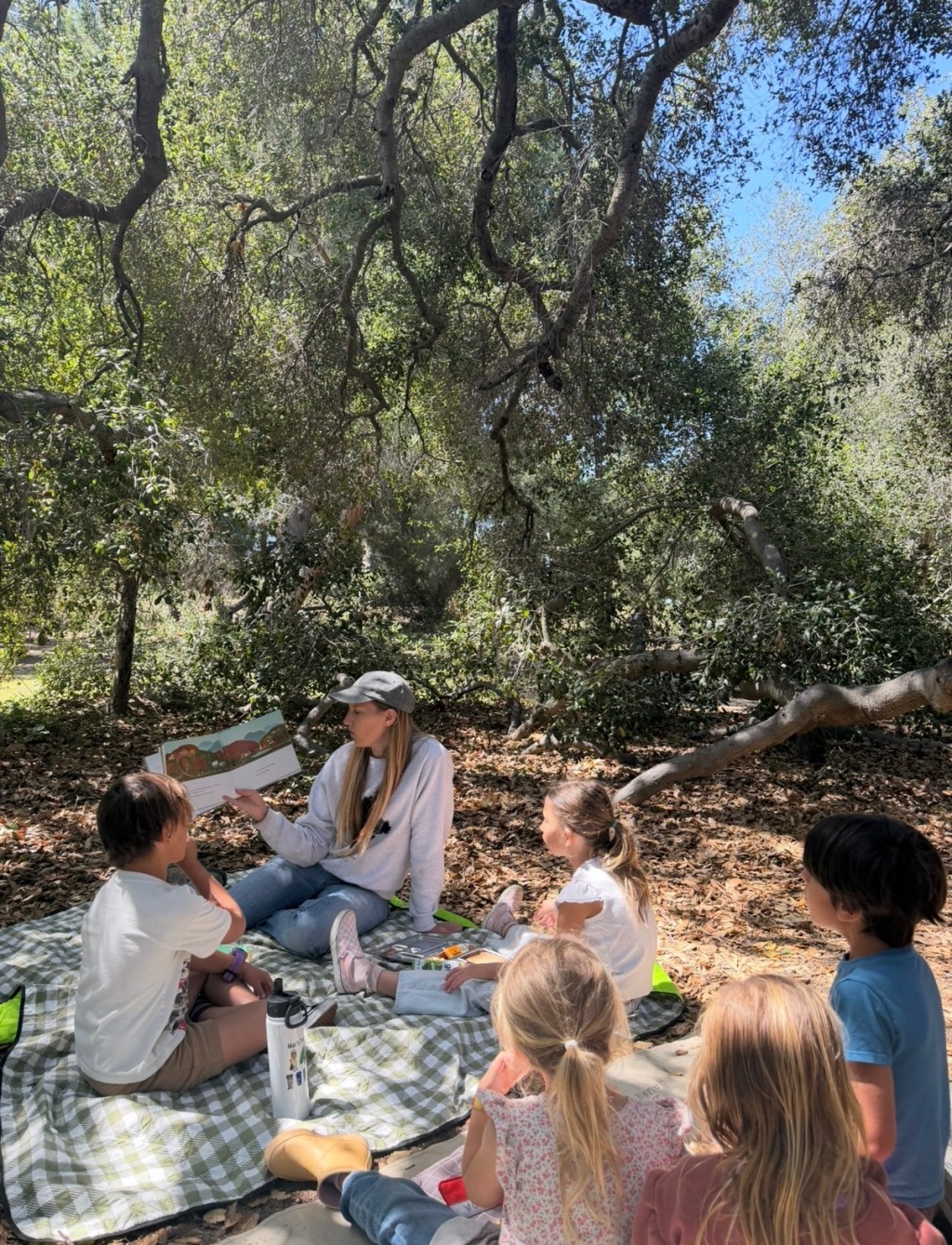
“The consideration of out-of-door life, in developing a method of education, comes second in order; because my object is to show that the chief function of the child–his business in the world during the first six or seven years of his life–is to find out all he can, about whatever comes under his notice, by means of his five senses; that he has an insatiable appetite for knowledge got in this way; and that, therefore, the endeavour of his parents should be to put him in the way of making acquaintance freely with Nature and natural objects; that, in fact, the intellectual education of the young child should lie in the free exercise of perceptive power, because the first stages of mental effort are marked by the extreme activity of this power; and the wisdom of the educator is to follow the lead of Nature in the evolution of the complete human being.” Charlotte Mason, Volume 1, pp. 96-97
Before formal education begins, this is a unique and special time for the young child to observe and learn from the world around. The Tadpoles class respects the quiet growing time of the young person; a time of beauty and wonder, the formation of habits, delight in stories, and fostering relationships with nature and with one another.
Class begins at 9:30am. At this time the Teachers gather the children under the Oak Tree to begin the morning song, followed by the reading of a poem. The Teacher welcomes each child by name, and then the class proceeds to take a walk to the bathroom.
On the walk there and back the Teacher leads the students in some mental math problems, which the children respond to orally. Sometimes items in nature are used to visualize a problem such as rocks or leaves. Students are also given the opportunity to share their own math problem. The children delight in discovering the answer! Often, they will choose a movement such as frog jumps, or jumping jacks to count out the answer all together.
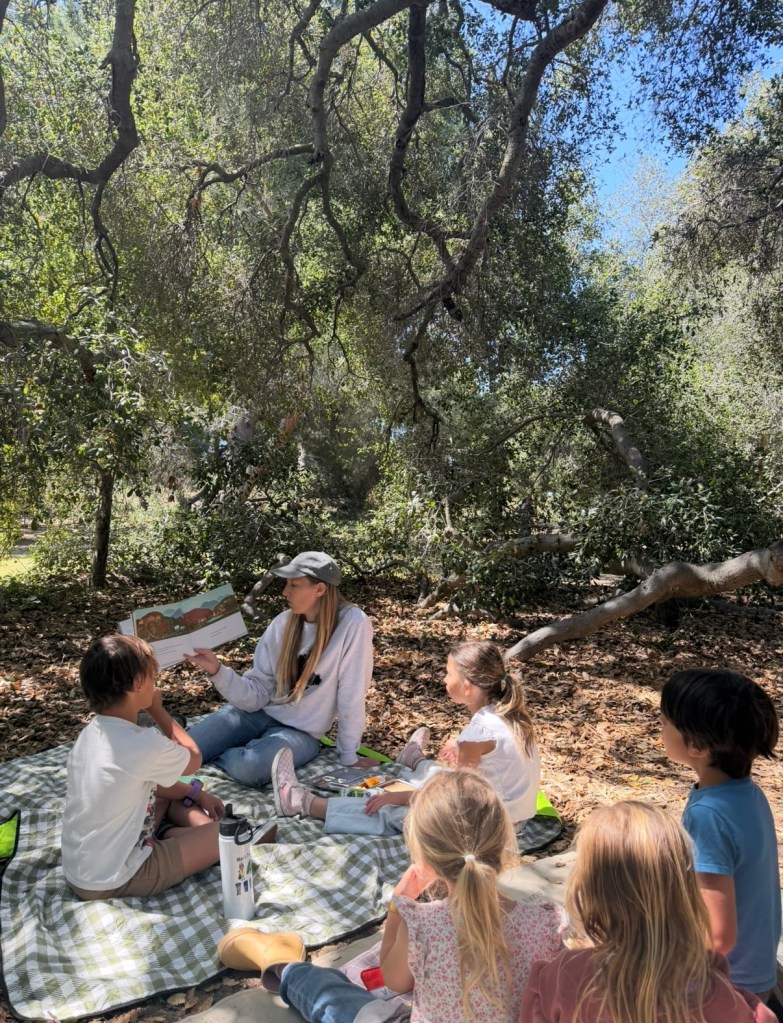
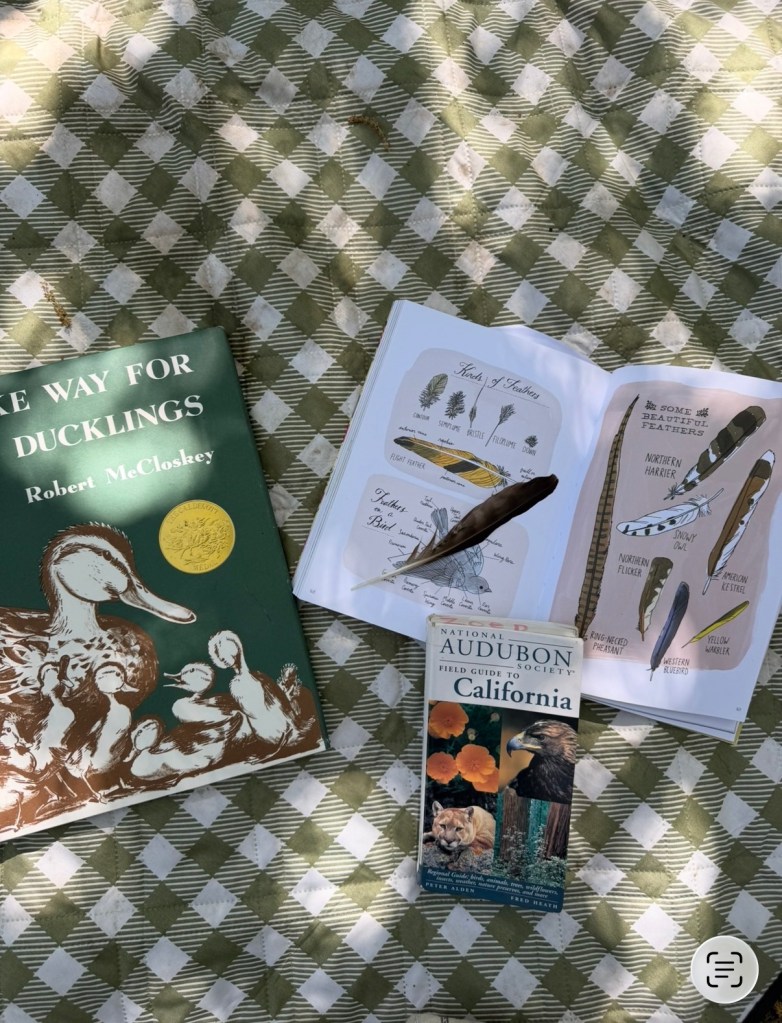
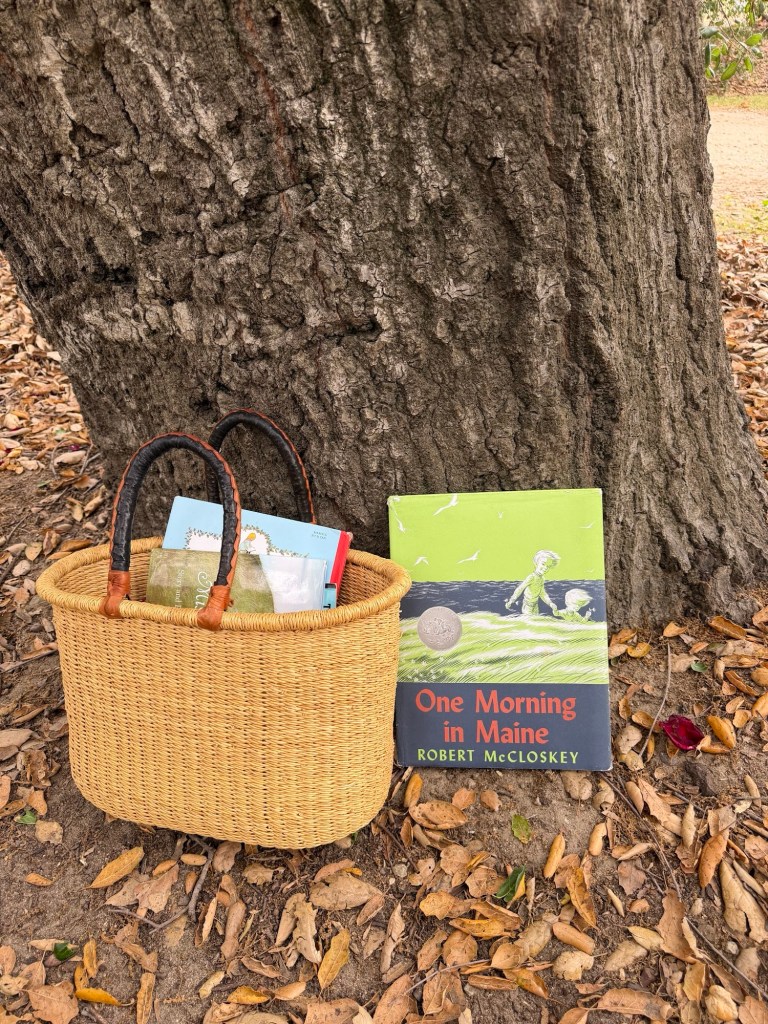
When returning from the bathrooms, the children get a snack from their bags and make a home on the blankets for story time. The Tadpoles class utilizes living books from the Ambleside Year 0 booklist, such as Beatrix Potter’s short stories, A.A. Milne’s “Winnie the Pooh” or classic picture books by Robert Mcklosky and Barbara Cooney to name a few. Following the reading, the Teacher gently asks the students to share what they remember from the story. While narration is not formally introduced before year 1, the teacher encourages the young persons to remember and share. Over the course of the year many students take joyful pride in recalling the details that happened in the story of the day!
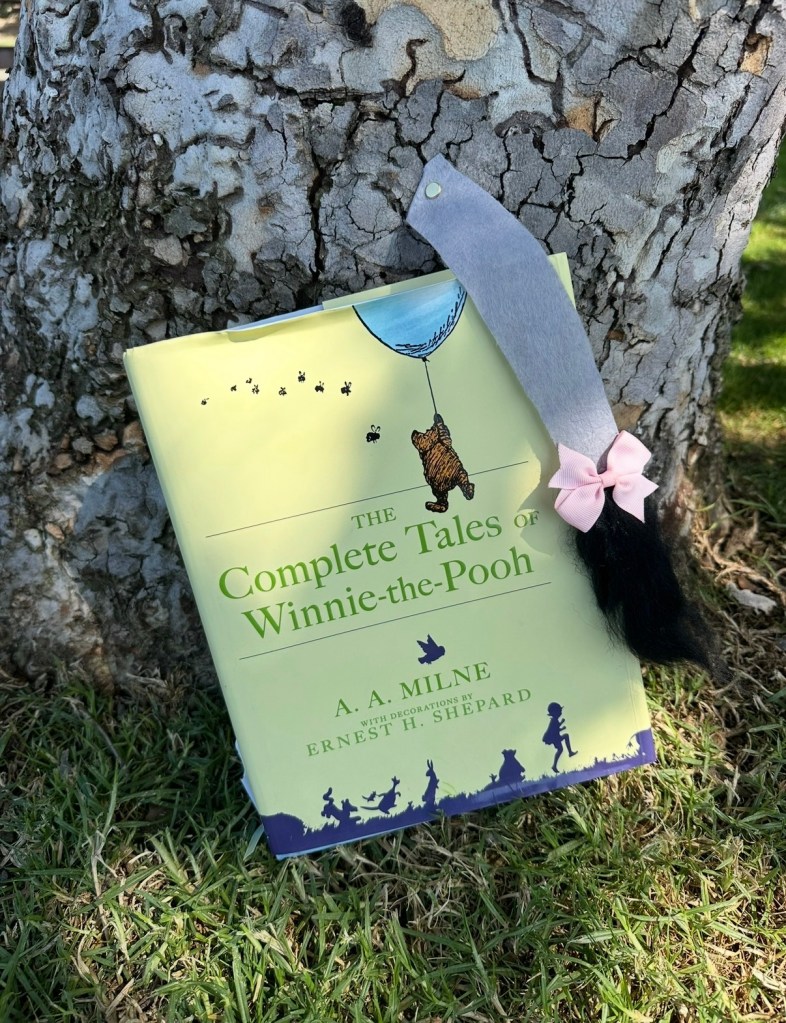
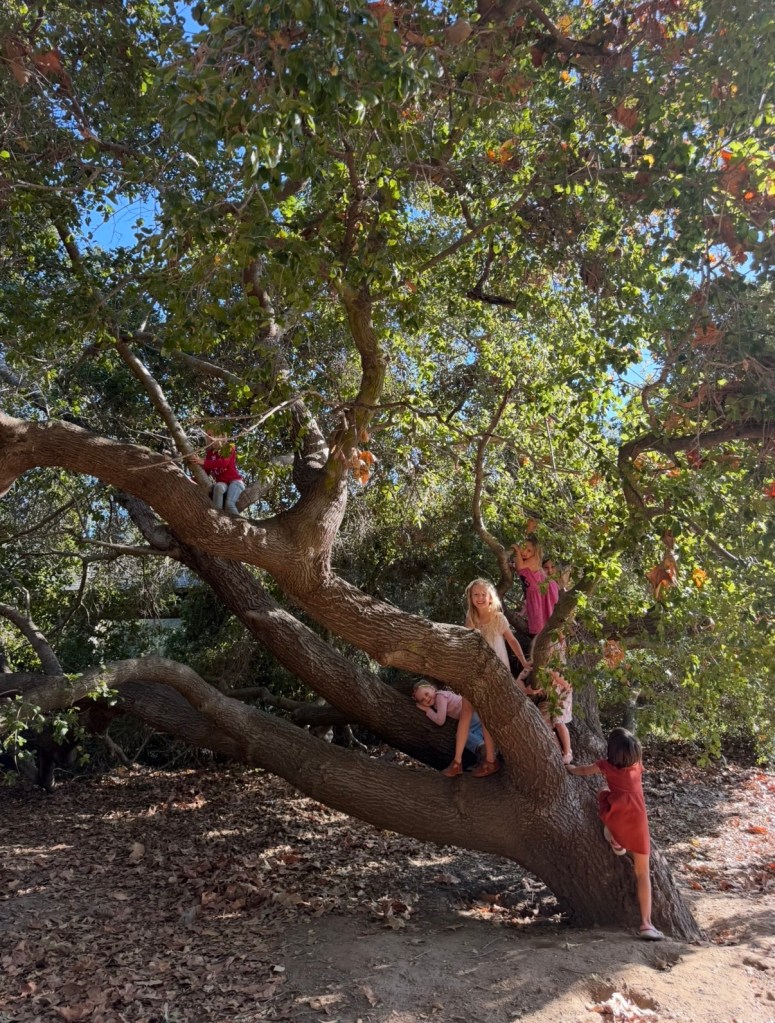
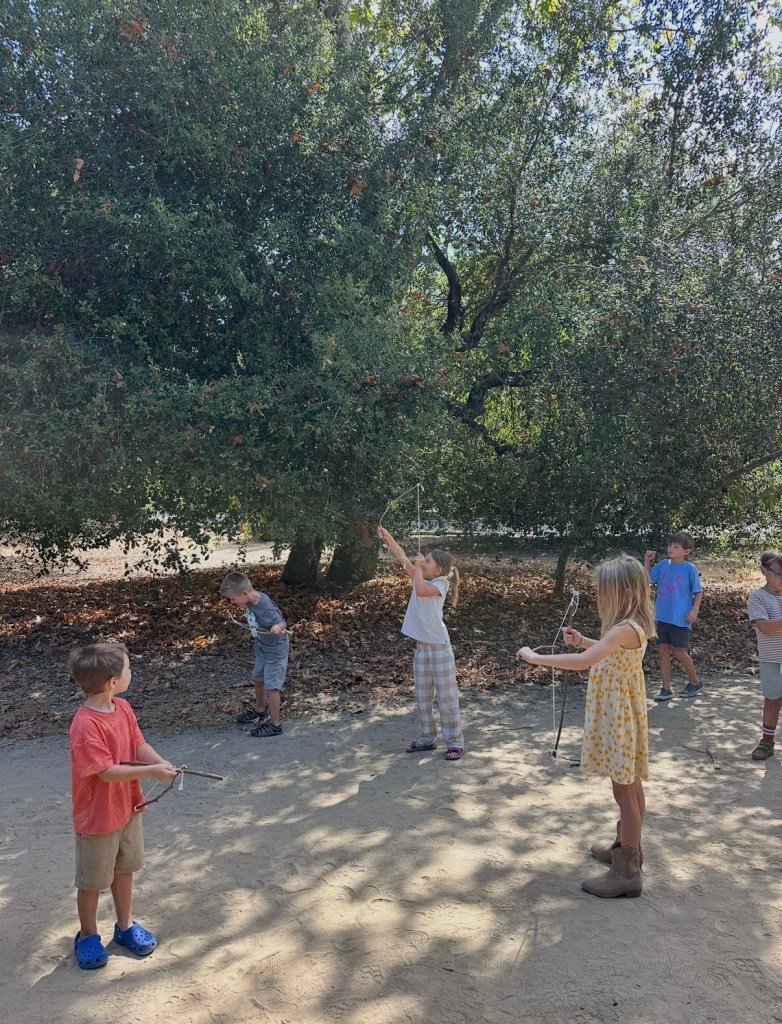
Next, the children are invited into intentional play. Sometimes the play is guided by the teacher and connects with the literature. For example, after reading the chapter from “Winnie the Pooh” where Eeyore lost his tail, the Teacher hid a tail for the children to search for and discover! Another time, the children made bows and arrows with sticks they found after learning about indigenous woodlands people. More often, the play is open ended as the kids love climbing the trees, creating wildflower bouquets, making houses with sticks, or playing in the open area a chosen game.
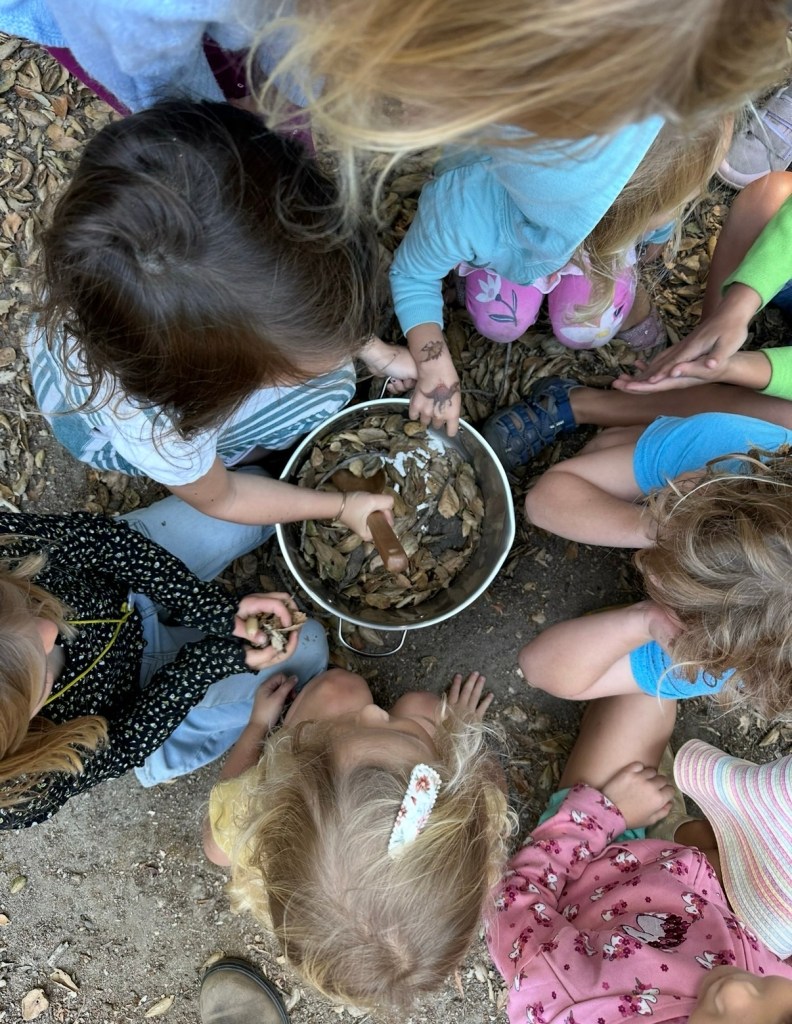
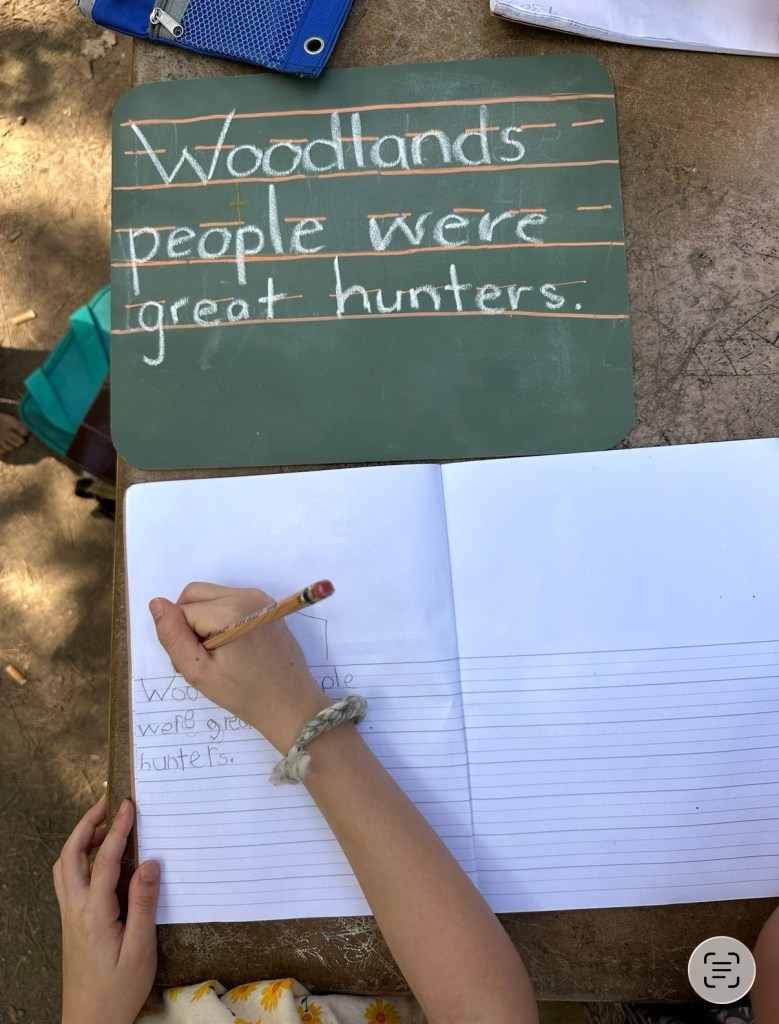
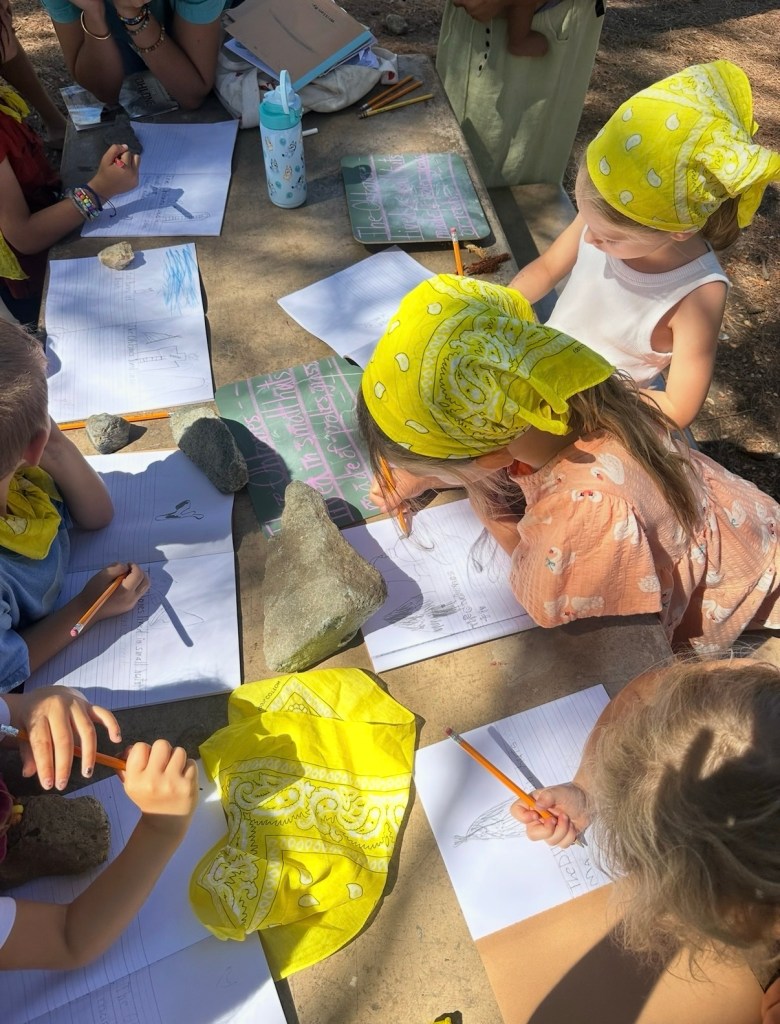
After playtime, the class meets by the nearby tables to do gentle copywork. Each child has a lined notebook with space for drawing a picture. The Teachers prepare chalkboards with a simple sentence or even the title of the story to begin the school year. The teacher may point out a word that is capitalized, or various types of punctuation to observe. Copywork may be completely new to some children; in which case, they may trace letters written for them, or simply draw. Others may be eager to write the entire selected passage. Every child is respected and supported for where they are at, and it’s beautiful to witness the growth over the school year when observing the first entree next to the last from each of their copywork books.
At 12pm the Tadpoles then put away their copywork books and meet under the oak tree to eat lunch as a class. Teachers try to create a warm and engaging atmosphere for the kids to connect with one another and the teachers as they eat their meals. Following lunch is free play within the determined boundaries.
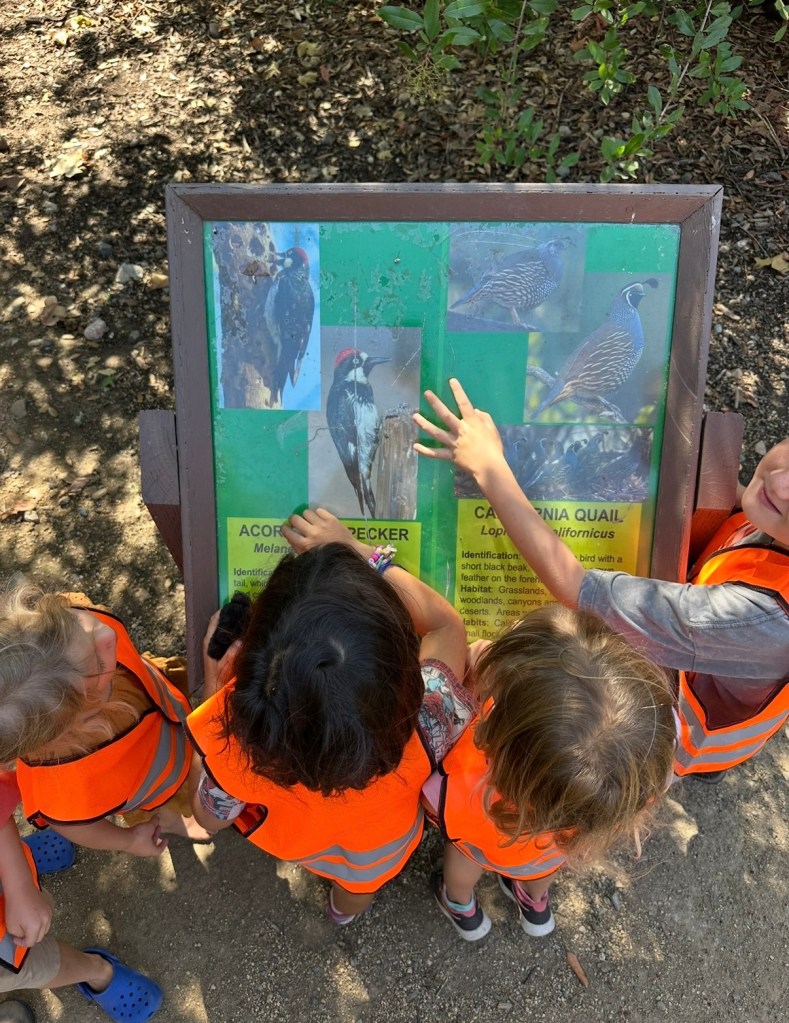
After the lunch hour the Tadpole class often goes on a nature walk, bringing along their nature journals to record their identifications, weather, and the date.
“Let them once get in touch with nature and a habit is formed which will be a source of delight through life.” Charlotte Mason, Volume 1, pp 61
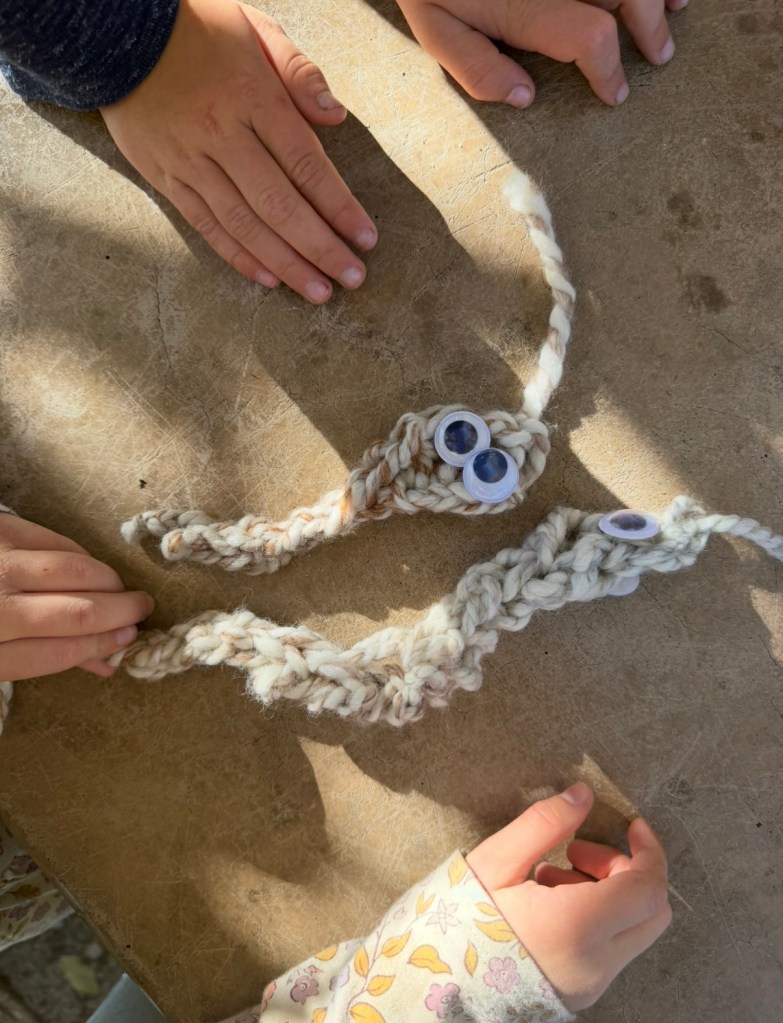
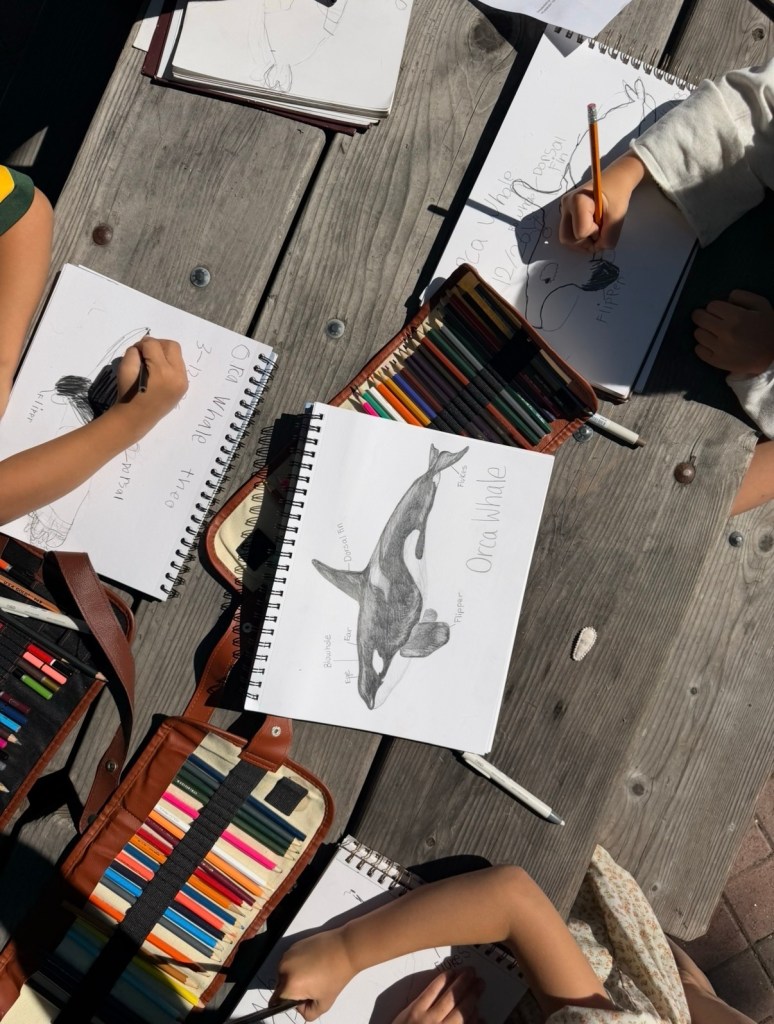
Depending on the day, the afternoon is also occupied with handcrafts, such as finger knitting or weaving projects. Additionally, every other week the class gets to partake in a directed drawing art class in the morning.
At 1:45 all forms meet for the closing circle. This is a time to share something memorable from the day and to read the poem of the season in community. Some of the youngest children gain confidence sharing their musings in front of a multiage group setting and it is a delight to hear! At 2pm class is dismissed.
A day in the Tadpoles class is an abundant feast, and simply a lovely day to say the least.
A Day in the Life of the Tadpole Class was written by one of our wonderful teachers, Ally Burnette.


Leave a Reply